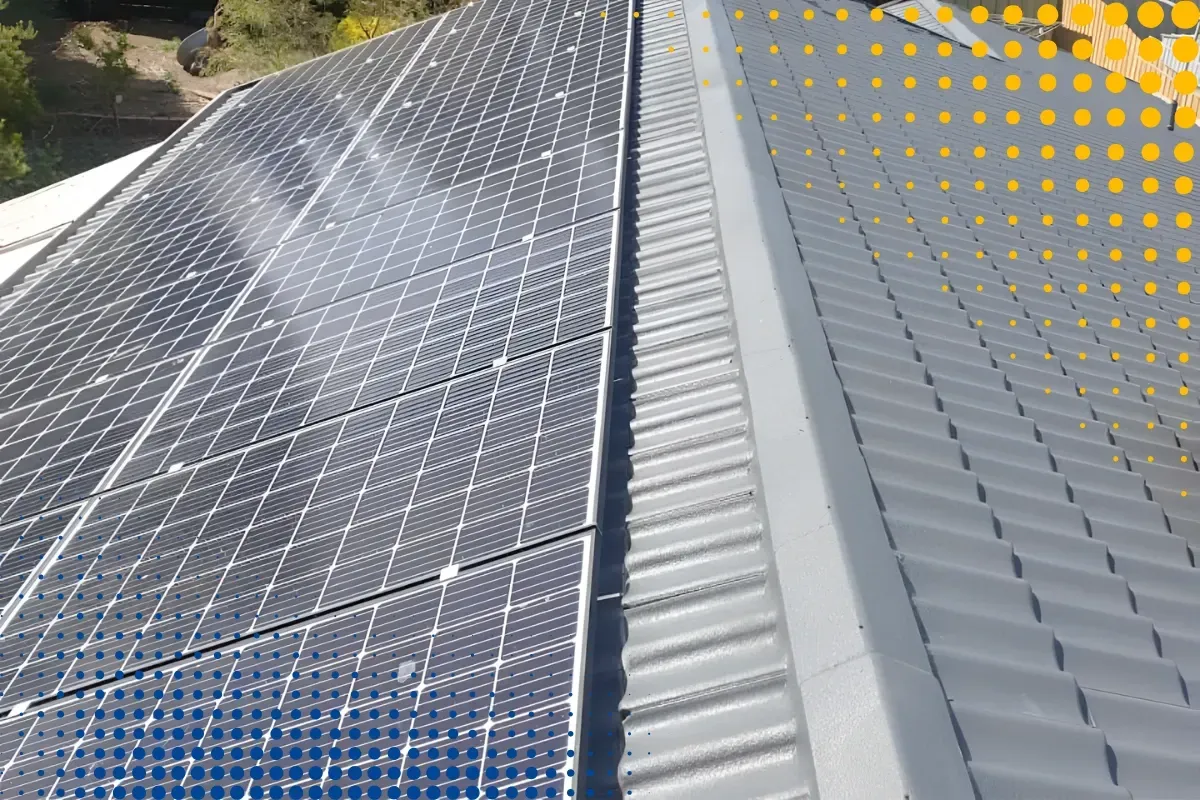
Why Solar on Metal Roofs Is a Smart Choice - Birmingham
If you've got a metal roof on your Birmingham home or business, you're sitting on one of the best possible foundations for panels. These two technologies are a genuinely strong pairing, and not because of clever marketing. The reasons are practical: longevity, structural strength, and the fact that the roof will almost certainly outlast your solar system. That means no costly panel removals for a re-roof halfway through your investment.
Quick take: Metal roofs are rated among the best roof types for solar compatibility. They're strong enough to support panels without structural upgrades, last 40 to 70+ years, and standing seam variants require zero roof penetrations. Whether you're a homeowner in Sutton Coldfield or a business owner in Edgbaston, if you've got a metal roof, solar is well worth serious consideration.
Table of Contents
Why Solar on Metal Roofs Is a Smart Choice
Are Metal Roofs Good for Solar Panel Installation?
Types of Metal Roofs and How They Affect Solar Mounting
How Solar Panels Are Mounted on Metal Roofs
Benefits of Installing Solar on Metal Roofs
Potential Drawbacks of Installing Solar on Metal Roofs
Why Solar on Metal Roofs Is a Smart Choice
The phrase "energy synergy" gets used a lot in solar circles, but with this roofing type, it actually holds up. Both systems are built for the long haul. Most panels come with 25 to 30-year performance warranties, while a well-maintained metal roof can last 40 to 70 years or more, far beyond the 12 to 30-year lifespan of standard asphalt.
What this means practically is that you won't face the scenario that catches many Birmingham homeowners off guard: needing to remove and reinstall an entire solar array just because the roof beneath it has worn out. With a metal roof, that risk essentially disappears.
There's an environmental case here too. Metal roofing is often made from recycled materials and is fully recyclable at end-of-life, unlike asphalt shingles that end up in landfill. Pair that with clean energy generation and you've got a building that's low-impact from top to bottom.
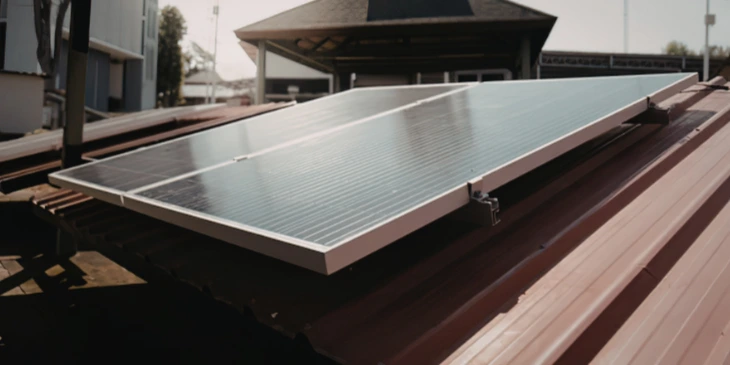
Are Metal Roofs Good for Solar Panel Installation?
Short answer: yes, and in many cases they're the preferred option. This roofing type is widely regarded as one of the top choices for solar compatibility, and for good reason.
Metal is one of the stronger roofing materials, yet it's also lightweight at around 1.4 to 1.6 pounds per square foot. That combination matters when you're adding panels and mounting hardware to a structure. Unlike older asphalt roofs, which can be heavier and may need structural upgrades to handle additional load, the structure can generally support an array without any extra reinforcement.
The longevity point is worth repeating because it's genuinely significant. It gives panels a stable, long-term platform. If you're investing in panels for your Birmingham or commercial property, the last thing you want is to undo that investment prematurely. Metal roofing removes that concern entirely.
One caveat worth noting: not every installer has hands-on experience with this roof type, since pitched tile and slate are far more common across Birmingham's housing stock. It's worth checking that whoever you use has worked with metal mounting systems before. When they have, installation is often smoother and faster than on other roof types.
Types of Metal Roofs and How They Affect Solar Mounting
Metal roofing isn't one-size-fits-all, and the type you have does affect how panels get mounted. Here's a straightforward breakdown of the main profiles you'll encounter in Birmingham:
Corrugated metal roofs are the wavy or ridged panels common on agricultural buildings, older industrial units, and some commercial properties. Solar can absolutely be installed on these, but it involves bolting mounting brackets through the metal sheet into the structure beneath. Each penetration needs careful sealing with gaskets and flashing. Done properly, it's a sturdy setup. Corrugated metal typically lasts 30 to 50 years.
Standing seam metal roofs are the gold standard for solar compatibility. The raised vertical seams that run down the panels act as natural attachment points for mounting clamps, with no drilling required. This is the only common roof type where panels can be installed without making a single hole in the material, which preserves the roof's integrity and often its manufacturer warranty. Standing seam roofs can last 40 to 70 years, making them an ideal long-term platform.
Metal tile and metal shingle roofs are designed to look like traditional roofing but with metal strength beneath. Mounting panels on these requires more precision. Installers typically use specialised brackets or replacement tile mounts that fit the roof's profile. A section of the metal tile is removed, a mounting bracket anchored to the structure beneath, and the array attached on top. It takes more labour, but when done correctly it's watertight and secure.
Other variations like trapezoidal (box profile) metal roofs follow similar rules to corrugated profiles and need carefully sealed penetrations. Zinc and aluminium roofs are particularly long-lived (zinc can last up to 100 years), but they require compatible metals in the mounting hardware to avoid galvanic corrosion.
How Solar Panels Are Mounted on Metal Roofs
The mounting approach varies by roof profile, but the goal is always the same: a secure, weather-tight installation that doesn't compromise the roof beneath.
For standing seam roofs, specialist clamps attach directly to the raised seams using set screws. This creates strong attachment points for rails without any penetrations. It's a clean install, and because there's no drilling, installation can be 30 to 50% faster than traditional rack systems, which can reduce labour costs.
For corrugated and trapezoidal profiles, mounting brackets are fixed to the peaks of the corrugation and screwed into the structural supports (rafters or purlins). An aluminium rail is attached to these brackets, and the panels are clamped to the rails. Proper waterproofing is critical here: sealants, sealing washers, and flashing all play a role. When done right, it's a wind-resistant, long-lasting installation.
For metal tile roofs, the installer removes a tile section and fits a mounting bracket shaped to match the roof's profile, anchored to the decking or rafters below. By replacing the tile rather than drilling through it, the roof stays watertight.
There's also a less common but worth-knowing option: thin-film panels can be adhered directly to metal roof surfaces (particularly standing seam) with no racking or clamps needed at all. They're lower efficiency than standard crystalline panels, so you need more roof area for the same output, but they're a sensible option for large commercial metal roofs.
One rule applies across all installations: compatible metals must be used throughout the mounting hardware to prevent galvanic corrosion, and the system must be properly earthed. A qualified installer will handle both as standard.
Benefits of Installing Solar on Metal Roofs
There are real, practical reasons why installers often prefer these roofs. Here are the main ones:
Lifespan match. Metal roofs last 40 to 70+ years, easily outlasting the 25 to 30-year life of most panel systems. You won't need to dismantle your array mid-investment to replace the roof beneath it, which is a common and costly problem for Birmingham homeowners with ageing asphalt shingles.
Structural strength without the weight. At around 1.5 pounds per square foot, weight ratings and all associated hardware without structural modifications in most cases.
No penetrations on standing seam. Clamp-mounted solar leaves your standing seam roof completely intact. No holes, no leak risk from the mounts, and no compromise to the roof's warranty.
Better thermal performance. Metal roofs often have reflective coatings that reduce heat absorption. Panels add another layer by shading the roof surface and converting sunlight into electricity rather than letting it heat the building. Studies have shown this combination can meaningfully reduce cooling costs. Pair it with battery storage and you're maximising every unit generated.
Low maintenance. Both roofing and panels are low-maintenance systems. Metal resists rot, insects, and moss. Solar has no moving parts and needs only occasional cleaning. Together, they're about as hands-off as roof-and-energy systems get.
Environmental credentials. Metal roofing is commonly manufactured from recycled content and is fully recyclable at end-of-life. Combined with clean energy generation, it's a building setup that does its bit, which is increasingly relevant for Birmingham businesses with sustainability targets.
Potential Drawbacks of Installing Solar on Metal Roofs
It's only fair to be straight about the challenges. None are deal-breakers, but they're worth knowing going in.
Higher upfront cost if switching roof types. If you're considering moving to metal roofing specifically to pair it with solar, the initial outlay is higher than asphalt or tile. If you already have a metal roof, this isn't a concern.
Penetration risk on non-standing seam profiles. Corrugated and trapezoidal profiles require drilled fixings, and any penetration carries a leak risk if not properly sealed. Corroded metal can make this more complex. The answer is straightforward: hire an installer with proven experience on metal roofs.
Thermal expansion. Metal expands and contracts with temperature changes, and mounting hardware needs to accommodate this over time. The rubber washers on corrugated roof fixings can degrade through repeated thermal cycling, so periodic checks are sensible.
Noise. This roofing type is noisier in heavy rain than tile or slate. Panels will buffer some impact, but you'll still notice more sound in a downpour. This is a characteristic of metal roofing generally, not a solar-specific issue.
Glare on some finishes. Some finishes can produce glare at certain times of day. Most panels have anti-reflective coatings and are dark in colour, which reduces overall glare, but it's worth discussing with your installer if your roof is particularly glossy.
Installer expertise matters. Not every company regularly works on this type of roof. An improper installation can risk the warranty. This is why choosing an experienced installer is important, and why our maintenance team can assess existing installations if you have any concerns.
Final Thoughts on Solar on Metal Roofs
These two systems are a well-matched pairing. The roof's longevity means you'll never have to remove panels for a re-roof during the system's working life. The structural strength means no costly preparatory work. And on standing seam profiles, the installation is cleaner and faster than almost any other roof type.
Most of the potential challenges (penetrations, corrosion, warranty concerns) are manageable with the right installer and hardware. In the UK, that means compliance with MCS 012 and relevant Eurocode engineering standards, which any reputable installer should be across.
If you're a Birmingham homeowner in Northfield, Hall Green, Selly Oak, or anywhere else across the city, and you've got a metal roof in decent condition, solar is a straightforward and worthwhile step. The same goes for commercial and industrial properties in areas like Erdington, Hodge Hill, and Perry Barr, where metal roofing is common.
Want to find out whether your metal roof is ready for panels? contact us or about us and what we do across the city.
Solar on Metal Roofs FAQs
Can you install solar panels on a metal roof?
Yes. This type of roof is considered one of the best options for solar installation. Strong, long-lasting, and in the case of standing seam profiles, no roof penetrations are required.
Do installers need to drill holes in the roof?
It depends on the type. Standing seam metal roofs need no drilling: panels clamp directly onto the seams. Corrugated and metal tile roofs do require fixings through the material, but these are sealed with weatherproof gaskets and flashing by a competent installer.
Will solar panels damage my roof?
Not when installed correctly. Quality mounting systems protect the roof's integrity. On standing seam, nothing penetrates the metal. On other profiles, proper sealing keeps everything watertight.
Can a metal roof support the weight of solar panels?
Yes. This is one of the lighter roof materials and can handle panels and hardware without structural modifications in most cases. A typical panel weighs around 20kg and spread across an array, that load is well within what a metal roof structure can handle.
Which roof type is best for solar?
Standing seam is the easiest and most installation-friendly for panels. If you're choosing a new metal roof and know you want panels, standing seam is worth considering from the outset. That said, all metal roof types can host an array.
Is this a good long-term combination for Birmingham properties?
Yes. A metal roof will outlast a panel system, meaning you won't face the expense of removing panels for re-roofing during its working life. For Birmingham properties in areas like Ladywood, Yardley, and Sutton Coldfield, where both residential and commercial metal roofs are common, it's a pairing worth taking seriously.


