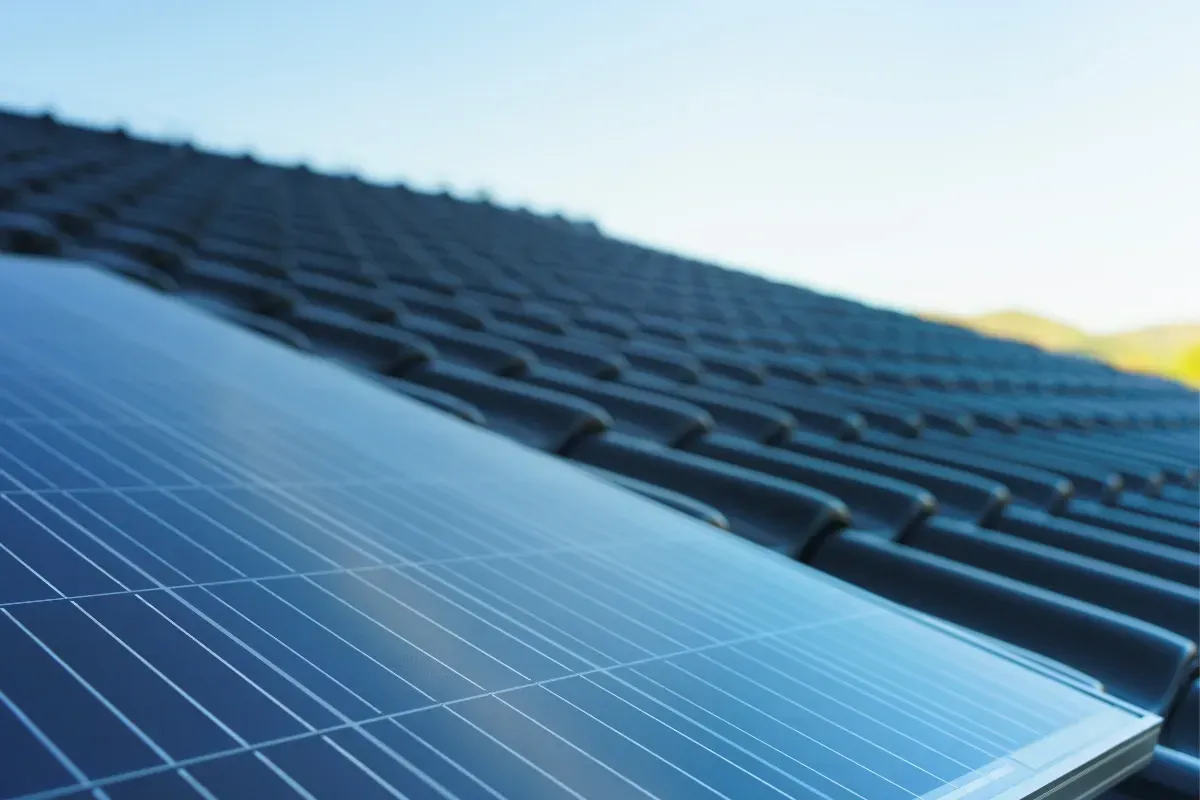
Solar in Birmingham: Is Roof Drainage Affected?
Adding solar panels to your Birmingham home cuts energy bills and future-proofs your property. But there's one detail that often gets overlooked: roof drainage. If panels or mounting hardware block gutters, valleys, or downpipes, you're risking leaks and costly water damage. With proper planning, your solar array and drainage system work together without problems.
Quick take: Solar panels can disrupt roof drainage if placed too close to gutters or valleys. To avoid leaks, leave clearance around flow channels, elevate mounting racks, seal penetrations properly, and maintain gutters regularly. This guide covers pre-install checks, placement rules, and maintenance to keep Birmingham roofs dry.
Table of Concepts
What Is Roof Drainage and Why It Matters When Adding Solar PV
How Solar PV Can Interfere With Roof Drainage
Pre-Install Checks: Gutters, Downpipes, Valleys, and Flat-Roof Outlets
Safe Panel Placement Rules: Clearance Zones Around Gutters and Drainage Paths
Mounting and Cable Management That Won't Trap Water or Debris
Ongoing Maintenance for Birmingham Solar Panels
What Is Roof Drainage and Why It Matters When Adding Solar PV
Roof drainage refers to gutters, downspouts, valleys, and outlets that direct rainwater off a building. These systems channel water away from the roof and foundation. Without adequate drainage, water accumulates, adding weight and leading to leaks or structural failure. When solar panels are added, modules and racking mustn't impede this flow. Experts warn that a drain moves water off to protect the building's integrity, so blocking that path causes serious problems.
Solar panels and mounts can interrupt natural runoff. Roofs normally shed water down to gutters and downpipes, but panels (frames and conduits) can disrupt this process. Installation guidelines stress that a PV array shouldn't interfere with drainage, meaning panels must be positioned to let rainwater run freely. Leave gaps around flow paths and elevate panels so water doesn't pond underneath.
For Birmingham homes, this matters more. Our city sees consistent rainfall, and Victorian and Edwardian terraces across Edgbaston, Erdington, and Selly Oak often have complex layouts with valleys and older guttering. If drainage paths get blocked, you'll notice problems quickly.

How Solar PV Can Interfere With Roof Drainage
Solar installations create several trouble spots for water flow. Panels or mounts placed too close to edges, valleys, or gutter lines cause the worst issues. Valleys and flashings are designed to funnel water; if a panel straddles or overhangs a valley, it creates a direct leak path. Electrical conduits or cables run across a flow path can trap debris and prevent water reaching the downspout. Even small particles washed off shingles collect under panels if the array sits too close to the gutter lip. Any obstructions under or near the array can hinder drainage and lead to leaks.
Keep panels clear of flow channels. Install panels at least two feet from valleys, downpipes, gutters, or scuppers. This buffer ensures hardware isn't sitting over a drainage route.
Elevate racks and conduit. Use standoffs or rail spacers so rainwater runs beneath panels. Adequate clearance prevents water pooling, particularly important on Birmingham's lower-pitch structures in areas like Hall Green and Northfield.
Beware of edges. Panels or flashing near edges can overshoot or splash water outside gutters. Poorly sealed mounts at edges and valleys create direct paths for water intrusion. Leave a gap or protective flashing.
Avoid debris traps. Wires, cable trays, or debris screens under panels act like dams. If leaves or dirt pile up under the array, water can't flow properly. Keep the array elevated so litter is flushed away naturally.
Pre-Install Checks: Gutters, Downpipes, Valleys, and Flat-Roof Outlets
Before mounting solar panels, inspect and repair the drainage system. Gutters and downpipes must be clear, watertight, and properly sloped. A thorough inspection checks for blockages, proper slope, and secure attachment. Any clogs or loose fittings should be cleared first, since backed-up water can overflow under panels. Examine all valleys and flashing: clear debris and repair loose or rusted metal. A blocked valley traps rain, allowing it to seep under shingles or panels.
On low-slope or flat structures (common on Birmingham commercial buildings and extensions), verify that drains, scuppers, or overflow outlets are unobstructed.
Gutters and downpipes: Clean all gutters and downspouts. Remove leaves and debris. Repair sagging sections to keep the fall toward drains. This is crucial in leafy areas like Sutton Coldfield or Yardley.
Valleys and flashing: Inspect valleys and flashing for blockages or gaps. Small obstructions can force water off-course and under the covering. If your Birmingham home has traditional slate or tile, pay extra attention.
Flat-roof drains: Make sure each drain, scupper, or outlet is clear and sized correctly. Panels shouldn't sit over a drain. Where needed, installers plan alternate downspout locations or "crickets" to divert flow.
Performing these checks helps prevent surprise leaks. Double-check gutters, downpipes, and outlets to ensure they'll function once panels are installed.
Safe Panel Placement Rules: Clearance Zones Around Gutters and Drainage Paths
When laying out the array, follow clearances that preserve water flow. Maintain an open zone around any gutter, downpipe, or drain. Manufacturer guidelines recommend at least 2 feet of clearance between mounting racks and critical flow areas (valleys, scuppers, gutters). This buffer ensures hardware isn't sitting over a drainage path. Framing and conduit should be tilted or shimmed so water can drain under the array. Installers use spacers or crickets at the upslope end to guide rain toward the gutter.
Leave a margin at edges: Don't mount panels flush to the gutter or eave. Stay back at least two feet from any gutter line or valley. Fire/access codes often call for 3-foot paths at edges, which also keeps drainage clear.
Elevate above deck: Frame and conduit should be raised on blocking so water runs freely under panels. Even a few inches of clearance prevents pooling, crucial for Birmingham's frequent drizzle.
Install crickets/saddles: Where the array crosses a seam or sits in a large flat section, add crickets behind panel rails to split flow and prevent water pools.
Route wires carefully: Avoid running cable trays along the gutter lip or down the valley. Keep electrical runs inside the zone, tied up so they don't catch debris.
Design the array so every drop of rain has a path off. Many code officials explicitly require that arrays don't impede drainage. Meeting these rules often means adjusting the panel layout slightly to prioritise water flow.
Mounting and Cable Management That Won't Trap Water or Debris
Proper mounting hardware and wiring practices help avoid hidden backups. All penetrations (flashings, fasteners, conduit sleeves) must be fully sealed to prevent leaks. Use high-quality flashing kits and sealant around each attachment point. Wherever feasible, minimise penetrations by using non-penetrating clamps or properly flashed anchor systems. During installation, clean up any shingle grit or drill debris to stop it washing into gutters.
Wiring deserves special attention. PV cables should be secured in trays or clips attached to the racking, never left loose. Unsecured wiring can snag leaves and act like a dam under the array. If a debris guard or mesh is used to keep out pests, make sure it doesn't become a scoop for litter; some installers suspend arrays higher if trees are nearby, so twigs and needles wash through.
Elevated rails: Install panel racks a few inches above the surface. This lets rainwater and small debris clear through the bottom. For a typical Birmingham installation, this spacing is non-negotiable.
Flashing and sealants: Apply durable waterproofing at every bolt or bracket penetration. Installers should clean up all debris so it doesn't get swept into gutters.
Cable trays/clips: Group and fasten cables to the rail, keeping them away from gutters. Avoid long horizontal trays at the array edge; choose clip systems that channel cables along the module frame.
By combining elevated mounting and vigilant cable management, you ensure neither hardware nor wiring traps water or debris beneath panels. A well-installed system sheds water better than an unprepared structure, which is what Birmingham homeowners need during wetter months.
Ongoing Maintenance for Birmingham Solar Panels
Even after installation, regular roof maintenance is essential. Debris that collects under or around panels can eventually clog gutters or downpipes, so inspect these after storms and at least twice a year. Seasonal checklists recommend cleaning gutters and downspouts in spring and autumn, since accumulated leaves can block drainage. With panels overhead, debris sometimes lands in hard-to-reach places, so it may be wise to install gutter guards before or after solar. Neglecting routine cleaning will shorten the life of both your roof and array.
Solar panels usually stay fairly clean if tilted. Rain often washes off dust and pollen. But check panel output periodically: if you see a drop in energy without a technical reason, it may mean the array's dirty. Lightly hosing the panels or using a blower can remove settled debris. In very dusty or leafy environments (think tree-lined streets in Hodge Hill or Perry Barr), you might need to wash panels once or twice a year. Also inspect all flashings and sealants once a year. Any sign of a loose screw or cracked seal should be repaired promptly, as water hidden under panels can lead to rot or hard-to-spot leaks.
Gutter cleaning: At least twice yearly, remove leaves and dirt from gutters and downpipes. Check around panel racks and behind them for hidden blockages. If you're not comfortable working at height, professional maintenance and repair services can handle this safely.
Panel wash-down: If panels appear dirty or output dips, spray them with a garden hose or soft brush, but avoid harsh cleaners. Water flow is generally better with panels tilted.
Inspect mounts: After severe weather and on a regular schedule, examine rack mounts, flashings, and roof membrane around the array. Look for accumulated debris or ponding spots and clear them.
In short, keep doing what you would for any roof, but pay extra attention to areas under and around the solar array. A little upkeep prevents panels from becoming a liability and ensures your Birmingham home stays protected.
Final Thoughts on Roof Drainage and PV
Proper roof drainage is critical when adding solar. If any piece of the water pathway is blocked, consequences range from minor rot to major leaks. A PV installation should not interfere with roof drainage. Following the steps above (careful panel placement, elevated racking, sealed mounts, and ongoing cleaning) lets your array coexist with the roof's runoff plan. Many building codes now explicitly require that solar panels don't impede drainage, so it's more than best practice: it's often a legal necessity.
Think of your solar installation as part of the roof. Design it so rain still has a clear path to the gutter. Do that, and your panels generate clean energy without causing unwelcome floods. Whether you're in a Victorian terrace or a modern semi, Birmingham's roofs need to handle our rainfall effectively. When you combine quality solar panel installation with proper drainage planning, you're protecting both your investment and your home.
If you're considering solar for your Birmingham property and want to make sure it's done right, get in touch with our team. We'll assess your roof, plan around your drainage system, and deliver a system that performs for decades without compromising your home's weather protection. After all, we're Brummies too, and we know what our roofs need to handle.

Roof Drainage and Solar Panels FAQs
How can solar panels disrupt my roof's drainage?
Panels and racks can cover or narrow water channels on the roof. If rails lie over a roof valley or above a gutter, water may back up under shingles. Wires laid across a downspout path trap leaves and stop flow. Anything placed over a designed drain path acts like a dam. Roofing experts warn such obstructions can hinder drainage and cause leaks, so panels must be kept clear of all gutters, valleys, and drains.
What should I check on the roof before installation?
Inspect gutters, downpipes, valleys, and any roof outlets. Make sure gutters are clean and firmly attached, and valleys and flashings are free of debris. Verify that flat-roof drains or scuppers aren't blocked. Also assess roof condition (age, material) and confirm it can support panels. Ensure the current drainage system works well, and identify how the planned PV array might change flow.
How much clearance should I leave around gutters and roof edges?
Common practice is to leave at least 6-12 inches from the gutter lip so rain can still fall in. For critical drainage paths (valleys, internal drains), guidelines recommend staying at least 2 feet back. For firefighter access and roof egress, many jurisdictions require 3-foot wide clear zones at edges and hatches. Don't cover or overshoot the gutter, and align panel edges well above roof drains.
Do I need to install gutter guards if I go solar?
It's a good idea, especially if you have trees. Solar panels can make gutter access harder, so adding a leaf guard simplifies maintenance. Installing gutter protection is a quick and easy way to greatly decrease any gutter cleaning problems when adding solar. Guards prevent typical leaf build-up that might otherwise accumulate just out of reach under your panels.
How often should I clean the gutters and check water flow after installing PV?
Follow a regular maintenance schedule, at least twice a year (in spring and autumn). Clean gutters and downspouts after storm seasons, and after any big leaf-fall. Also glance under your panels periodically; if you see debris or standing water there, clear it out. Keep an eye on panel performance: a drop in output (with no shading change) can signal a panel or roof surface getting dirty and needing a wash. Regular checks ensure rain continues to flow freely, protecting both your roof and your solar battery storage investment.


