
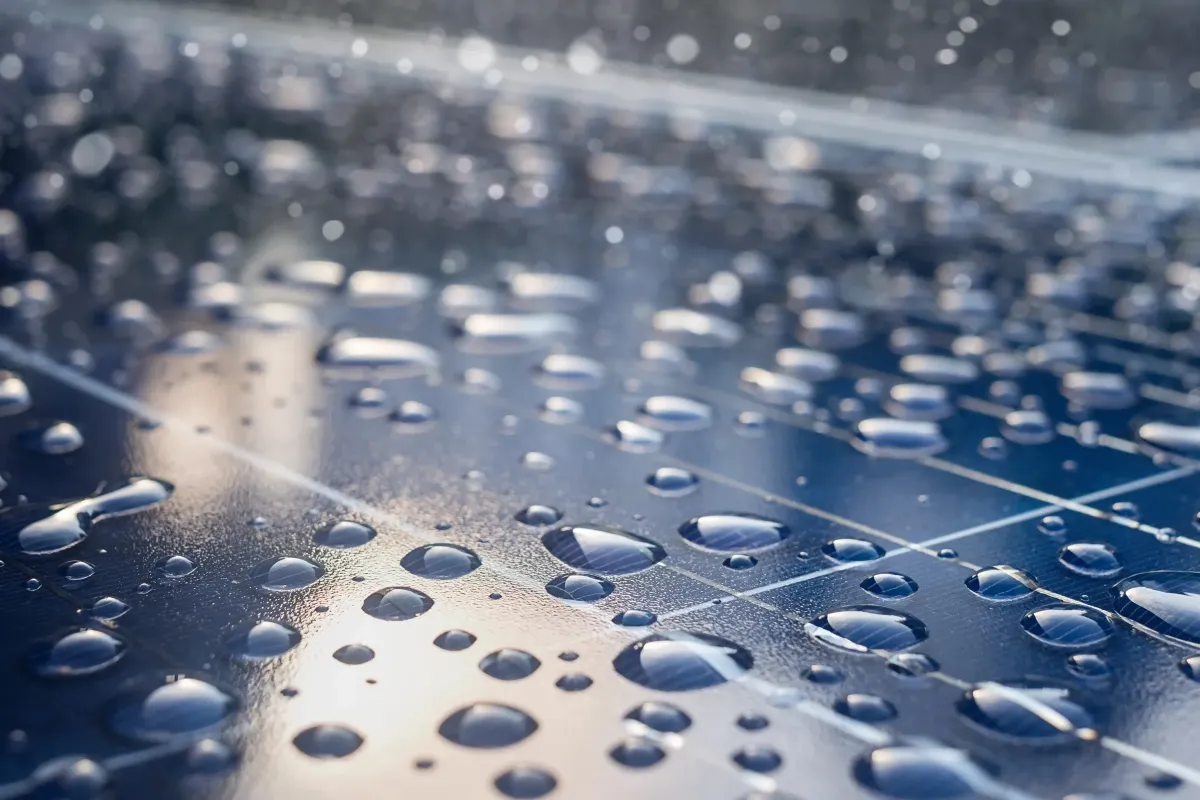
Do Solar Panels Work in the Rain? – Birmingham 2026
Rain's hammering down on your Birmingham roof again. You're considering solar panels, but there's that nagging question: do they even work when it's pouring? Here's the straightforward answer: yes, they do, and Birmingham's climate is actually more solar-friendly than you think.
Quick Take: Solar panels generate electricity from daylight, not just direct sunshine. While heavy rain reduces output by around 50%, your panels will still produce power. Birmingham's 1,500 annual sunshine hours, combined with rain's cleaning benefits and the UK's moderate temperatures, make solar a smart investment. With 0% VAT until 2027 and Smart Export Guarantee payments, going solar in rainy Birmingham makes financial and environmental sense.
Table of Contents
Introduction: Solar Power in a Rainy Climate
How Solar Panels Work (In Simple Terms)
How Rain Affects Solar Panel Performance
Rainfall Patterns in Birmingham and the UK
Are Solar Panels Waterproof and Safe in Heavy Rain?
Maintenance Tips for Rainy Birmingham Roofs
Energy Bills, Storage and Rainy-Day Reliability
Government and Local Incentives
Introduction: Solar Power in a Rainy Climate
There's a stubborn myth: "Britain doesn't get enough sun for solar panels." It's nonsense. Solar panels work from daylight, not just brilliant sunshine. Even under Birmingham's overcast skies, your panels keep generating electricity.
Photovoltaic cells respond to the broad spectrum of light that penetrates clouds. Unlike hot climates where panels lose efficiency above 40°C, Birmingham's moderate temperatures (typically 15-30°C in summer) mean panels operate near optimal efficiency year-round. Solar power is now the cheapest way to generate electricity, confirmed by UN climate experts, even under our rainy skies.
Homeowners across Birmingham are installing solar systems and seeing substantial energy benefits despite the weather. Solar works in rainy Britain.
How Solar Panels Work (In Simple Terms)
Let's strip away the jargon. Solar panels convert sunlight into electricity through the photovoltaic effect. When light particles (photons) hit the solar cell, usually made of silicon semiconductors, they knock loose electrons. This creates an electric current.
Each panel produces direct current (DC) electricity, which passes through an inverter that converts it to alternating current (AC) for your home's appliances. Put plainly: sunlight in, electricity out. Even diffuse daylight on a cloudy day can excite the solar cells.
The process is passive and instantaneous. As long as there's light, the panels produce electricity, with higher output in bright sun and lower output in dimmer conditions.

How Rain Affects Solar Panel Performance
Let's be straight: rainy weather does affect solar panel performance. Heavy clouds and precipitation can significantly lower output since less sunlight reaches the PV cells. During rainstorms, energy production might drop by 50% or more compared to clear days.
On very dark, rainy days, panels might generate only 5-15% of normal peak output because sunlight is mostly diffuse. The impact depends on cloud density and rain intensity. Light rain may only moderately reduce output, whereas thick storm clouds cause substantial dips.
Here's the good news: solar panels still work in rain. They continue generating electricity from diffused light in the atmosphere. Modern panels are designed to be sensitive to a broad spectrum of light and can operate well under low-light conditions.
Brief breaks in cloud cover can sometimes cause momentary spikes in output. You can expect lower but not zero generation on rainy days.
Rainfall Patterns in Birmingham and the UK
Birmingham receives roughly 800-810mm of rain annually, with about 130-133 days per year seeing at least 1mm of precipitation. It rains in Birmingham on roughly one out of every three days.
The wettest months are late autumn and winter. November and December each average around 78-84mm of rain, whilst spring months like March see closer to 50-60mm. Birmingham's rainfall sits around or just below the overall England average.
Notably, Birmingham gets about 1,500 hours of sunshine per year, which is decent for solar energy. Rain is common (particularly in winter), yet there are plenty of dry and sunny spells. Solar panels in Birmingham will face frequent cloudy days but also benefit from long summer daylight hours and rainfall that keeps them clean.
Benefits of Rain for Solar
Rain isn't entirely bad news for solar panels. Rainfall provides key benefits that help your solar system perform better.
Rain acts as a natural cleaning agent. Over time, panels accumulate dust, pollen, bird droppings, and debris that block sunlight and reduce efficiency. A good rain shower washes away this grime, restoring panels to a cleaner state. Your panels get a free rinse courtesy of Mother Nature, boosting output once the sun comes out.
The second benefit is cooling. Solar cells operate more efficiently at cooler temperatures (excess heat increases electrical resistance). Rainy weather brings cooler air, and rainwater cools the panel surfaces. This ensures your panels aren't overheating and run at optimal temperature when light is available.
Rain keeps your panels cleaner and prevents heat-related efficiency losses, helping maintain better long-term performance.
Are Solar Panels Waterproof and Safe in Heavy Rain?
Yes. Solar panels are built to withstand heavy rain and harsh weather. Quality solar PV modules are effectively waterproof and won't be damaged by rainstorms.
Panels are constructed with durable materials: solar cells sandwiched between protective encapsulant and tempered glass, sealed within an aluminium frame. This design is tested under international standards for resistance to water, wind, and impact.
Modern panels handle conditions far worse than rain, including high winds, heavy snow, and hailstones up to 25mm in diameter. Junctions and wiring are sealed and weatherproof. Heavy rain poses no threat. Industry guidance confirms that heavy rain does not damage panels.
Your rooftop array will be safe in downpours and thunderstorms. Panels are certified with IP65-IP67 ingress protection ratings, meaning they resist water jets and can withstand temporary submersion. Your solar panels are waterproof and storm-safe.
Maintenance Tips for Rainy Birmingham Roofs
One perk of solar in rainy Birmingham is that rain helps with maintenance. Frequent showers rinse dust and dirt off panels, reducing manual cleaning needs.
To ensure your solar maintenance and repair needs stay minimal:
Monitor performance: Rain washes off grime and keeps panels operating around 95% of optimal output. Track your system's production via inverter or app. Significant output drops on sunny days could indicate dirt or issues.
Check after storms: After heavy rain or wind, inspect panels from ground level for debris. Leaves or twigs might collect at the lower edge.
Cleaning (if needed): You might only need manual cleaning once a year or less. Choose a dry, mild day. Use a hose to rinse and a soft sponge with mild soap for stuck grime. Never use high-pressure washers or abrasive brushes.
Safety first: Don't climb up in wet conditions. For steep or high roofs, hire a professional service.
General upkeep: Check mounting hardware occasionally. Solar systems are low-maintenance.

Energy Bills, Storage and Rainy-Day Reliability
Installing solar reduces energy bills, even in rainy climates. UK homeowners who've gone solar report substantial savings. Even with cloudy days, annual generation offsets significant grid electricity usage.
Many British households have seen bills shrink dramatically, especially given recent energy price rises. Solar panels produce lots of power on brighter days, and that surplus reduces grid draws or can be fed back for credit.
A 4kW residential system in middle England might generate 3,000-3,800kWh per year, covering around half or more of average household usage. Whether you're in Edgbaston, Erdington, Hall Green, Hodge Hill, Ladywood, Northfield, Perry Barr, Selly Oak, Sutton Coldfield, or Yardley, you can expect worthwhile savings.
Most UK solar systems stay grid-connected, providing reliable back-up when panels aren't producing enough. During dark days, your home draws from the grid automatically.
Many owners add home battery storage. A battery stores excess solar energy from sunnier days for use during overcast periods or at night. This increases self-sufficiency on rainy days. You charge the battery when the sun's out, then use stored power when generation is low.
The Smart Export Guarantee (SEG) ensures you get paid for surplus electricity exported to the grid. Energy companies must offer a rate to purchase your unused power. On bright days when you generate more than you use, you earn credits, further offsetting bills.
Government and Local Incentives
The UK offers incentives to encourage solar adoption, making it more affordable in Birmingham:
Zero-Percent VAT on Solar: Domestic solar installations are VAT-free until March 2027. Homeowners pay no VAT on equipment or installation, yielding 5% savings (about £1,000-£2,000 off a typical system).
Smart Export Guarantee (SEG): This national programme ensures you earn money for surplus solar energy. Energy suppliers must offer a tariff to purchase your exported electricity. Every solar home in England, Wales, and Scotland can access the SEG with a smart metre.
ECO4 Grant: This government-backed scheme helps low-income households improve energy efficiency and can cover solar installations for eligible homes. If you qualify (certain benefits or household income under £31k), you could get free or subsidised panels.
From ECO4 to 0% VAT relief, there are multiple assistance avenues. Take advantage of SEG payments and explore grants if eligible. These incentives significantly lower solar costs.
Final Thoughts on Solar on Rainy Days
Solar energy and rainy climates work better together than you'd think. Solar panels don't require constant sunshine, just light. Even on rainy days, your panels generate electricity whilst rain cleans them.
Over the year, sunnier days more than compensate for gloomy ones. In Birmingham, you can produce substantial electricity annually and significantly cut your carbon footprint and bills.
Rain is not a solar deal-breaker. It's a mild inconvenience already accounted for in performance ratings. When you consider rain's cleaning benefits, moderate temperatures, and longer summer daylight hours, solar thrives here. The UK has installed over 14GW of solar capacity.
Solar power remains one of the most cost-effective and sustainable energy investments, even in rainy climates. With supportive government incentives and improving technology, the economics are stronger than ever.
Solar on rainy days is worth it and is key to a cleaner, more resilient energy future for Birmingham. To learn more about us or ask questions, get in touch.

Rainy Days FAQs
Do solar panels work when it's raining?
Yes. Solar panels still generate electricity in rainy weather, but at reduced levels. Even under dark rain clouds, there's enough diffused daylight for panels to produce around 5-20% of normal output. Light drizzle or intermittent clouds have smaller impact. You might see panels operating at 20-50% capacity under lighter cloud cover. Rain doesn't shut panels off completely. As long as it's daytime, panels capture available light.
Are solar panels waterproof and safe in heavy rain?
Absolutely. Solar panels are designed for outdoor installation in all weather, so they're fully waterproof. Solar cells and electrical contacts are sealed behind tempered glass and durable backsheet, preventing water ingress. Heavy rain won't damage quality panels. They're tested to withstand rain, high winds, hail, and snow. All cables and connectors are weather-rated (often IP65 or higher), meaning rain won't cause short circuits or safety issues.
Is rain alone enough to keep solar panels clean?
A: In many cases, yes. Especially in rainy climates like the UK, panels don't accumulate as much dust as in arid areas. A decent rain shower washes off most dust, pollen, or bird droppings. UK experts note that rain helps maintain panel efficiency by naturally rinsing the surface. However, some grime might not fully wash away with rain alone. If you notice grimy panels or output drops, an occasional manual cleaning helps. A gentle wash with water once or twice a year removes any residual film. Rain does 90% of the work.
How can I ensure my solar power supply during extended cloudy or rainy periods?
During extended periods of little sun, a grid-connected system simply draws more power from the grid to make up the shortfall. You won't experience any outage. The transition is automatic. If you want to maximise solar usage and have backup energy for cloudy periods, add battery storage. A home battery stores surplus energy from sunnier days to use later when it's cloudy. During sunny spells, the battery charges up. Then during rainy stretches, you discharge that stored energy, reducing grid needs.
Is solar power still worth it in a rainy country like the UK?
Yes, very much so. Solar panels are absolutely worth it in the UK's climate. Thousands of homeowners report significant savings and satisfactory performance despite weather. The UK gets substantial solar-suitable daylight across the year (especially April through September). Whilst individual rainy days yield less energy, cumulative annual production makes solar financially viable and environmentally impactful. British weather offers advantages: long summer days give extended generation hours, and moderate temperatures help panels operate efficiently. With current incentives (0% VAT, SEG payments) and high electricity prices, the economics are strong. Installing solar panels in a rainy climate is a sound investment.