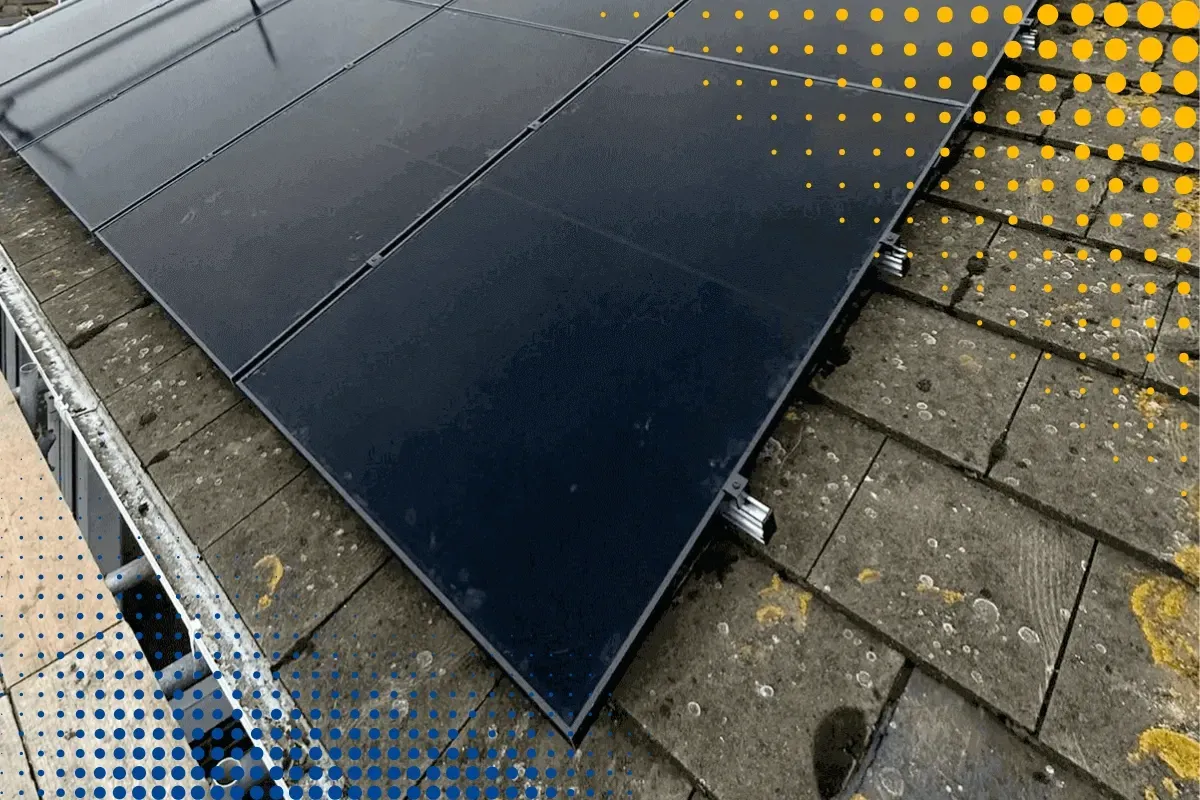
Why Solar Panel Rail End Caps are a Must – Birmingham
When you invest in solar panels for your Birmingham home or business, it's easy to focus on the headline components: the panels, the inverter, the battery storage. But there's a small fitting that rarely gets the attention it deserves, yet plays a genuine role in keeping your system in good shape for the long haul. Solar panel end caps might look like a minor detail, but leaving them off is a mistake that tends to show itself over time.
Quick take: Solar panel end caps are protective covers that seal the open ends of your mounting rails. They block out rain, dirt, and pests, guard against corrosion, and leave your installation looking clean and professional. They're low-cost, straightforward to fit, and should be standard on every Birmingham solar installation.
Table of Contents
Why Birmingham Homes and Businesses Need Solar Panel End Caps
What Solar Panel End Caps Are Made From
The Key Benefits of Solar Panel End Caps
How to Choose the Right Solar Panel End Caps for Your Birmingham Installation
Why Birmingham Homes and Businesses Need Solar Panel End Caps
Solar panel end caps are fitted to the exposed ends of the aluminium or steel rails that hold your panels in place on the roof. Without them, those rail ends sit open. That might not sound serious, but over time, open rails collect rainwater, dust, and debris, which leads to internal corrosion and gradual structural weakening.
In Birmingham, where rain is a near-constant companion across the year, that risk is very real. Water that gets inside the rails doesn't just sit there. It works its way into joints, creates rust, and slowly compromises the integrity of the whole racking system. A set of solar panel end caps, fitted correctly at the time of installation, prevents all of that.
End caps also cover the sharp cut edges of the rails, which is a practical safety benefit during installation and any future solar maintenance. And from a visual standpoint, capped rails look far neater than exposed metal ends, a small but meaningful difference when your system sits on the front or side of your property.
According to distributors, solar panel end caps serve both functional and protective roles in photovoltaic mounting systems, making them a standard part of any well-specified installation.
If you're having solar panels fitted anywhere across the city, whether in Sutton Coldfield, Edgbaston, or Selly Oak, solar panel end caps should be on your installer's checklist without question.
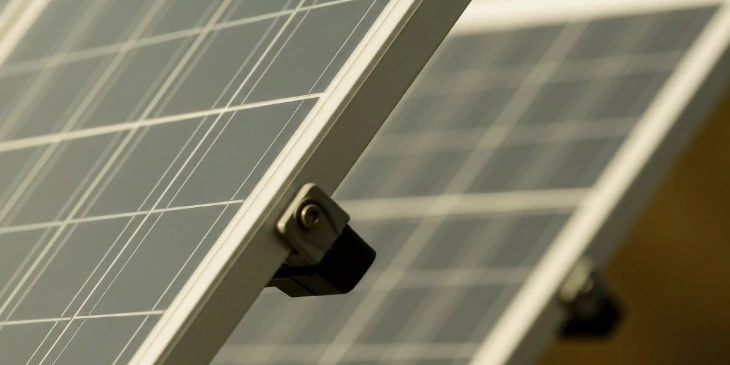
What Solar Panel End Caps Are Made From
Not all solar panel end caps are the same, and the material matters. Here's a breakdown of the main options available.
Aluminium is the most widely used material. Usually anodized for extra corrosion resistance, aluminium end caps are strong, lightweight, and hold up well against sun, rain, and temperature fluctuation. They're a natural fit for rooftop solar systems, including the kind found across Birmingham's mix of Victorian terraces, 1930s semis, and modern new-builds.
UV-stabilised plastic, specifically polycarbonate or ABS, is another popular choice. These are lighter than metal, electrically insulating, and can be moulded to match a wide range of rail profiles. Modern solar-grade plastics include additives that resist UV degradation, so they maintain their integrity across years of British weather without cracking or warping.
For more demanding environments, stainless steel end caps offer superior corrosion resistance and are often used on industrial or coastal sites. Rubber or silicone end caps are sometimes specified in particularly wet locations, as they provide a watertight seal that rigid materials can't always match.
For most Birmingham residential and commercial solar installations, anodized aluminium or high-grade plastic solar panel end caps are the standard choice. They cover the full range of typical conditions without overcomplicating the specification.
The Key Benefits of Solar Panel End Caps
It's worth spelling out exactly what solar panel end caps bring to a solar installation, because the list is longer than most people expect.
Weather protection is the most obvious one. Solar panel end caps block rain, dust, and UV light from getting inside the mounting rails, which directly reduces the risk of corrosion and structural damage over time. In a city like Birmingham, that's not a theoretical concern.
Safety is another real benefit. Open rail ends leave sharp metal edges exposed. Solar panel end caps cover those edges, making the installation safer for anyone working on or around the system during fitting or future servicing.
Clean finish. There's a reason professional installations always include end caps. They hide the raw metal ends of the rails and give the whole array a tidy, intentional look. It's a small thing, but it matters, especially on a prominent roof face.
Durability. By keeping debris and standing water out of the rails, solar panel end caps help extend the working life of the entire racking system. That's a tangible long-term benefit for a relatively tiny upfront cost.
Pest prevention is one that surprises people. Without sealed rail ends, birds and small animals can nest underneath the panels, which leads to mess, noise, and potential damage to wiring. Solar panel end caps close off that entry point entirely.
Together, these benefits make solar panel end caps one of the most cost-effective ways to protect a solar investment. Whether you're in Erdington, Northfield, Hall Green, or Perry Barr, the same principle applies: small components, long-term value.
How to Choose the Right Solar Panel End Caps for Your Birmingham Installation
Choosing solar panel end caps isn't complicated, but there are a few things worth getting right.
Material first. As covered above, anodized aluminium and UV-stabilised plastic are the go-to choices for most Birmingham properties. Think about your local conditions: a sheltered suburban rooftop in Hodge Hill has different demands to an exposed commercial roof in Ladywood or Yardley.
Compatibility matters. Solar panel end caps are made for specific rail profiles and dimensions. Common sizes include 30×30 mm and 40×40 mm, but the key is matching the cap to your exact rail. Caps from established solar racking manufacturers will always list compatible rail sizes, so check before ordering.
Ease of installation. Most modern solar panel end caps simply snap or slide onto the rail end without tools. That makes them a quick final step rather than a drawn-out job. If you're working with a reputable installer, they'll factor this in as part of the standard fit.
Quality over price. It's tempting to cut costs on small accessories, but cheap end caps that crack or warp within a couple of years create more problems than they solve. Choose caps made specifically for outdoor solar use, and look for UV resistance as a minimum requirement.
If you're unsure what's right for your system, the team at Solar Panels Birmingham can advise. We cover installations across the city and can point you in the right direction. You can also check out our solar battery storage page if you're thinking about expanding your setup, or get in touch to talk through your options.

Solar Panel End Caps FAQs
What is the difference between an end cap and an end clamp?
Solar panel end caps are covers that seal the open ends of the mounting rails, keeping moisture and debris out. End clamps are a completely different component: they're two-piece fasteners that grip the edges of the solar panels to hold them onto the rails. End caps protect the rail ends. End clamps secure the panels themselves.
Are end caps actually necessary?
They're not a legal requirement, but they're strongly recommended by anyone who knows solar. They prevent moisture ingress, deter pests, cover sharp edges, and extend the life of the racking system. For a minimal cost, that's a straightforward win on any installation.
What happens if you leave end caps off?
Open rail ends are exposed to rain, dirt, and wind. Over time, water collects inside and leads to rust and structural degradation. Sharp edges remain uncovered, which is a hazard during any future maintenance. And gaps in the rails create an entry point for birds and small animals looking for somewhere to nest. None of these are dramatic failures on day one, but they add up.
How do I know which size to buy?
Check your mounting rail dimensions, typically found in the racking system documentation. Solar panel end caps are sold to match specific rail profiles, and reputable manufacturers list compatible sizes clearly. If in doubt, ask your installer.
Are they difficult to fit?
Not at all. Most solar panel end caps slide or snap onto the rail end in seconds and need no special tools. They're one of the simplest parts of the whole installation. A good installer will fit them as a matter of course, so you shouldn't need to think about it. If you want to know more about what good solar servicing looks like, take a look at our maintenance and repair page.
For more on solar installations across Birmingham or explore local area pages including Selly Oak and Sutton Coldfield.


