
Can Schools in Birmingham have Solar Panels? - 2026
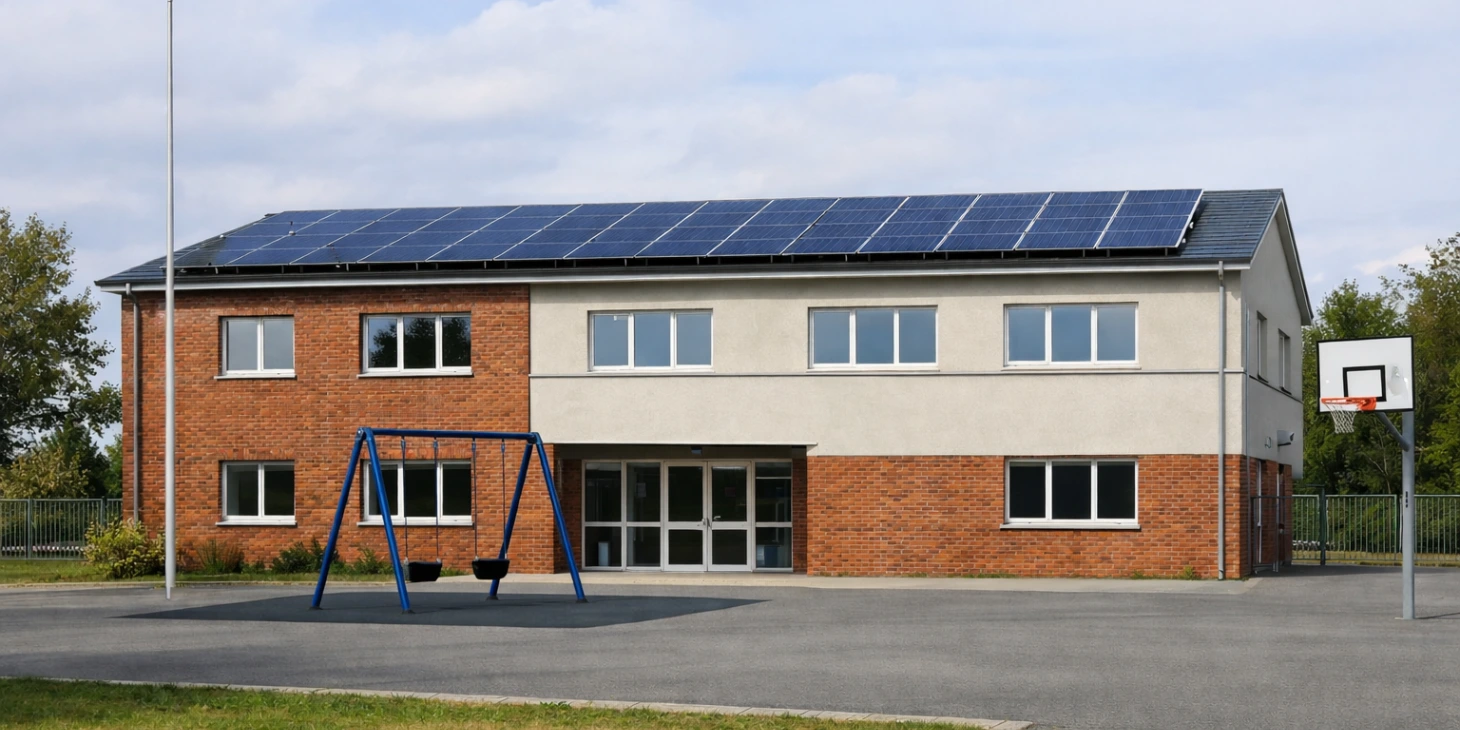
Birmingham primary schools could be slashing their energy bills by upto ~£25,000 every year while turning its rooftop into a living science lesson. It's not a far-off dream. With fresh government funding rolling out in 2025, there's never been a better time for Birmingham schools to join the clean energy revolution.
Quick Take: Yes, Birmingham schools can have solar panels installed. With government schemes like Great British Energy offering fully-funded installations, schools can cut energy costs dramatically, reduce carbon emissions, and create hands-on STEM learning opportunities across constituencies from Edgbaston to Sutton Coldfield.
Table of Contents
Why Schools Are Turning to Solar Panels
How Solar Panels Work on School Buildings
Key Benefits of Solar for Schools
Costs, Funding, and Grants for School Solar Projects
Planning and Installing Solar on a School
Maintaining and Monitoring a School Solar System in Birmingham
Why Schools Are Turning to Solar Panels
Energy bills have been crippling school budgets for years. When you're spending thousands each term just keeping the lights on, that's money that could've gone toward new books, updated technology, or extra teaching staff. The pressure on budgets has only intensified with rising energy costs, making schools across Birmingham look for smarter solutions.
Schools with solar panel systems can meet up to 75% of their electricity needs from their own rooftops. That's a substantial portion of the energy budget sorted without relying on the grid. When panels produce more power than the school uses during holidays or weekends, that surplus gets sold back to the grid, creating additional income. It's a revenue stream that many school administrators hadn't considered until they explored solar options.
Birmingham's older school buildings, many dating back to Victorian and Edwardian eras, desperately need infrastructure upgrades. Rather than just patching up aging systems, solar panel installations offer a forward-thinking approach that modernizes the building while slashing running costs. The environmental benefits are equally important. Switching to clean solar power helps reduce harmful pollutants that affect both the local community and children's health, making it a win for everyone.
There's also the educational angle that schools absolutely love. A solar panel system turns the entire building into a live teaching tool where students can watch real-time power generation and track carbon savings. Teachers find it invaluable for making abstract concepts tangible. When students can see the numbers on a dashboard showing exactly how much electricity their school generated today, renewable energy becomes real rather than theoretical.
How Solar Panels Work on School Buildings
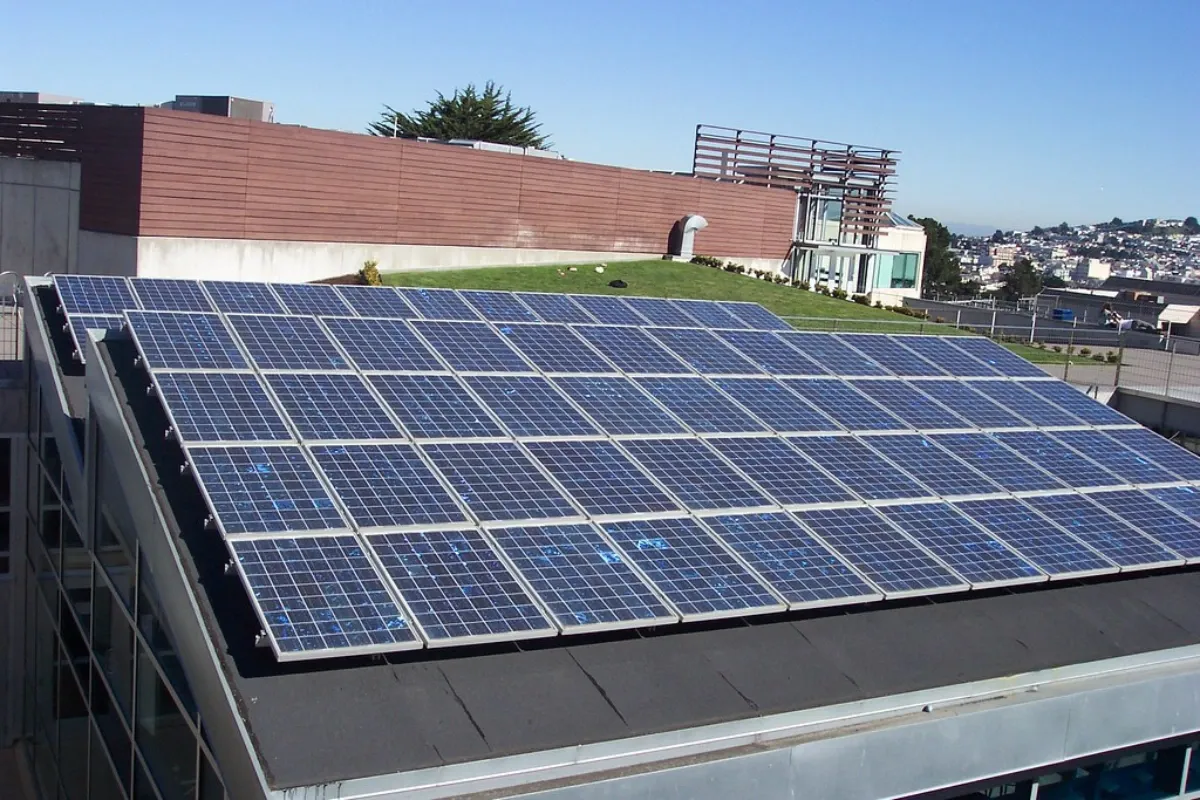
Solar panels contain semiconductor cells, usually silicon, that convert sunlight directly into electricity. When photons from the sun hit these cells, they generate direct current (DC) power. It's a remarkably efficient process that's been refined over decades of development.
Multiple panels get wired together into an array, typically mounted on tilted racks across the roof to maximize sun exposure throughout the day. All that DC power flows to an inverter, which converts it into alternating current (AC), the type of electricity that runs everything in the school from computers to kitchen equipment. The AC power feeds straight into the school's electrical system. When the panels generate more power than the school needs, that excess automatically flows back to the grid.
Before any panels go up, installers conduct a thorough site assessment. They'll check if the roof faces south (ideal for maximum sunlight), whether the structure can handle the weight, and if there's any shading from nearby trees or buildings that could reduce output. If your school's in an area like Hall Green or Northfield with plenty of mature trees, this assessment becomes crucial to ensure optimal placement.
The actual installation is surprisingly straightforward. Once the design is finalized and permits are sorted, installers mount the racking system, secure the panels, run the wiring, and connect everything to an inverter. Most school solar panel systems can be fully installed within just a few days, typically scheduled during weekends or school holidays to avoid disrupting lessons. After a safety inspection and meter installation by the utility company, the system goes live and starts generating power immediately. From that point forward, your school begins saving money on every sunny day.
Key Benefits of Solar for Schools
Major Cost Savings
Solar panels cut electricity bills over 25 to 30 years. Schools in England are saving around up to ~£25,000 per year. The system typically pays for itself within 5 to 10 years, then provides free electricity for another 15 to 20 years.
Revenue from Excess Power
When your school generates more electricity than it uses, you can sell surplus back to the grid. This happens during holidays and weekends, providing a buffer against energy price spikes and steady cash flow during summer breaks.
Environmental Impact
A typical 50 kW school system generates around 37,000 kWh yearly and eliminates 5 to 12 tonnes of CO₂ emissions annually. Multiply that across schools in Erdington, Ladywood, and Perry Barr, and Birmingham makes real progress toward net-zero targets.
Educational Opportunities
Solar panel installations create hands-on learning environments that bring textbooks to life. Teachers integrate the system into physics lessons, explaining how semiconductors convert light into electricity. Maths classes use real generation data to calculate power output, energy savings, and carbon reductions. Environmental studies explore the broader impact of renewable energy on climate change and local air quality.
Many schools install live dashboards in hallways showing real-time generation data. Students watch the numbers climb on sunny days and can directly connect abstract renewable energy concepts to the panels above their heads. It's one thing to read about solar power in a textbook, but seeing your own school generating 50 kilowatts on a bright Birmingham morning makes the technology immediate and accessible.
This hands-on exposure demystifies clean energy and opens up career paths students might never have considered. When youngsters interact with solar technology daily, they start thinking about engineering, environmental science, and renewable energy careers. For Birmingham schools committed to preparing students for future job markets, solar panels provide a glimpse into industries that'll be crucial for decades to come.
Grid Resilience
Schools generating their own power draw less from the local grid during peak hours. With battery storage, schools can maintain power during outages, potentially serving as emergency community hubs. When schools in Selly Oak or Yardley install solar panels, it demonstrates environmental leadership to the entire community.
Costs, Funding, and Grants for School Solar Projects
A modest 50 to 100 kW system might run £80,000 to £150,000 before incentives, but government funding covers most costs. The Great British Energy Initiative allocated £180 million to install rooftop solar on approximately 200 schools. Selected schools receive fully-funded installations covering panels, inverters, and labour.
The Public Sector Decarbonisation Scheme (PSDS) has invested over £2.4 billion into public building energy efficiency since 2020, with Phase 4 (2025-2028) continuing support for schools installing renewables.
Government support covers most installation costs, with energy savings starting immediately. For Birmingham schools, funding is available and the financial case has never been stronger.
Planning and Installing Solar on a School
Site Evaluation
A qualified solar installer surveys potential locations, examining roof orientation (south-facing is ideal), structural capacity, and shading from trees or buildings. If your Victorian school building has an unsuitable roof, there are alternatives like ground-mounted arrays or solar canopies over car parks.
Permits and Regulations
Most school solar panel installations fall under permitted development. Panels can't protrude more than 200mm from pitched roofs and mustn't sit higher than the roof's highest point. Listed buildings or conservation areas require stricter approvals. Experienced contractors handle the permitting paperwork.
Installation and Commissioning
Workers mount racking systems, secure panels, run wiring, and install inverters. Work is scheduled over weekends or half-term breaks for minimal disruption.
After installation, inspectors verify safety standards. The utility installs a meter and authorizes grid connection. Your solar panel array starts producing power immediately, with cloud-based monitoring tracking real-time production.
Maintaining and Monitoring a School Solar System in Birmingham
Solar panels are incredibly low maintenance compared to almost any other building system. Because there are no moving parts, there's very little that can go wrong. Unlike boilers that need annual servicing or air conditioning units that require regular filter changes, solar panels just quietly do their job year after year.
The main maintenance task is keeping the panels reasonably clean so they can capture maximum sunlight. Here's the good news for Birmingham schools: our regular Midlands rainfall does most of the cleaning work for you. Rain naturally washes away dust, pollen, and light debris, keeping panels operating at peak efficiency without any intervention.
In areas with lots of trees or where birds frequent the roof, you might need manual cleaning twice yearly. This is a straightforward job that takes just a few hours. Beyond that, schedule a professional inspection every three to five years to check for any wear, loose connections, or potential issues before they become problems.
The inverter typically lasts about 10 years, with most warranties covering replacement when needed. Modern monitoring systems alert you immediately to any issues through email or app notifications, so you'll know right away if something needs attention rather than discovering problems months later through reduced output.
For Birmingham schools worried about ongoing costs, you're looking at negligible maintenance expenses for a system lasting 25 to 30 years. The simplicity is genuinely remarkable. If your school has solar battery storage paired with the panels, you'll want to check the battery system during routine maintenance visits, but even these additions remain relatively hands-off.
Final Thoughts on Solar Panels for Schools
Installing solar panels on Birmingham schools makes sense financially, environmentally, and educationally. You're cutting energy bills, reducing carbon emissions, and creating hands-on STEM learning resources. With government funding covering most upfront costs, the barriers have disappeared.
Whether you're in Edgbaston,Erdington,Hall Green,Hodge Hill,Ladywood,Northfield,Perry Barr,Selly Oak,Sutton Coldfield, orYardley, support is available to help your school make the switch to solar. Get in touch to discuss how we can help.

Solar Panels on School FAQs
How much do solar panels cost and when will they pay for themselves?
A typical 50 to 100 kW school system runs £80,000 to £150,000 before grants, but government funding like the Great British Energy scheme often covers the full cost. Schools are saving upto ~£25,000 per year, meaning most systems recoup any investment within 5 to 12 years. After that, you're getting free electricity for 15 to 20 years.
Do solar panels require a lot of maintenance?
Not at all. Solar panels have no moving parts and typically carry 25 to 30-year warranties. Apart from keeping them reasonably clean (which Birmingham's rain largely handles) and checking the inverters every decade, systems run nearly trouble-free. Once installed, a school's solar panel array largely operates on autopilot for decades.
Will installing panels disrupt school activities?
Installers minimise impact by scheduling work during weekends or school holidays. The roof mounting and wiring can typically be completed in just a few days. The school continues using grid power until the panels are switched on. With good planning, there's minimal disruption to school life when going solar.
What if our school roof isn't suitable?
If your roof is too small or heavily shaded, alternative installations are available. Schools often build solar canopies over car parks or playgrounds, which provide covered outdoor space while capturing sunlight. Ground-mounted arrays are another option. The first step is always a professional site assessment to identify all workable options.
How long do solar panels last, and what about end of life?
Most solar panels remain productive for 25 to 30 years, with warranties guaranteeing around 80 to 90% of original capacity after 25 years. At end of life, panels can be recycled. Metal frames, glass, and copper wiring are recoverable, and recycling programs are expanding across the UK.
Is government financial support available for school solar?
Absolutely. The Great British Energy program offers grants covering full installation costs for selected schools. The Public Sector Decarbonisation Scheme has allocated over £2.4 billion since 2020 for energy efficiency projects in public buildings. Beyond grants, schools can benefit from tax allowances and low-interest loan programs.
Want to learn more? Visit our homepage or read more about us to see how we're helping Birmingham schools connect with clean energy.