
Lead Acid Solar Battery - Complete Guide - Birmingham 2026
Thinking about adding battery storage to your Birmingham home's solar setup? You're not alone. With energy prices hitting record highs and more Brummies wanting energy independence, lead acid solar batteries are making a real comeback. These workhorses might not be the flashiest option on the market, but they're proving their worth in homes across Edgbaston, Erdington, and beyond.
Quick take: Lead acid batteries offer Birmingham homeowners the most budget-friendly way to store solar energy, costing roughly half the price of lithium alternatives. Whilst they need a bit more care and won't last as long as newer technologies, they're perfect for those wanting to dip their toes into energy storage without breaking the bank. With 0% VAT until 2027 and Birmingham's Solar Together schemes, there's never been a better time to explore these reliable energy companions.
Table Of Contents
Pros and Cons of Lead Acid Batteries
Government and Local Incentives
Lead Acid Battery Brands in Birmingham
What Are Lead Acid Batteries
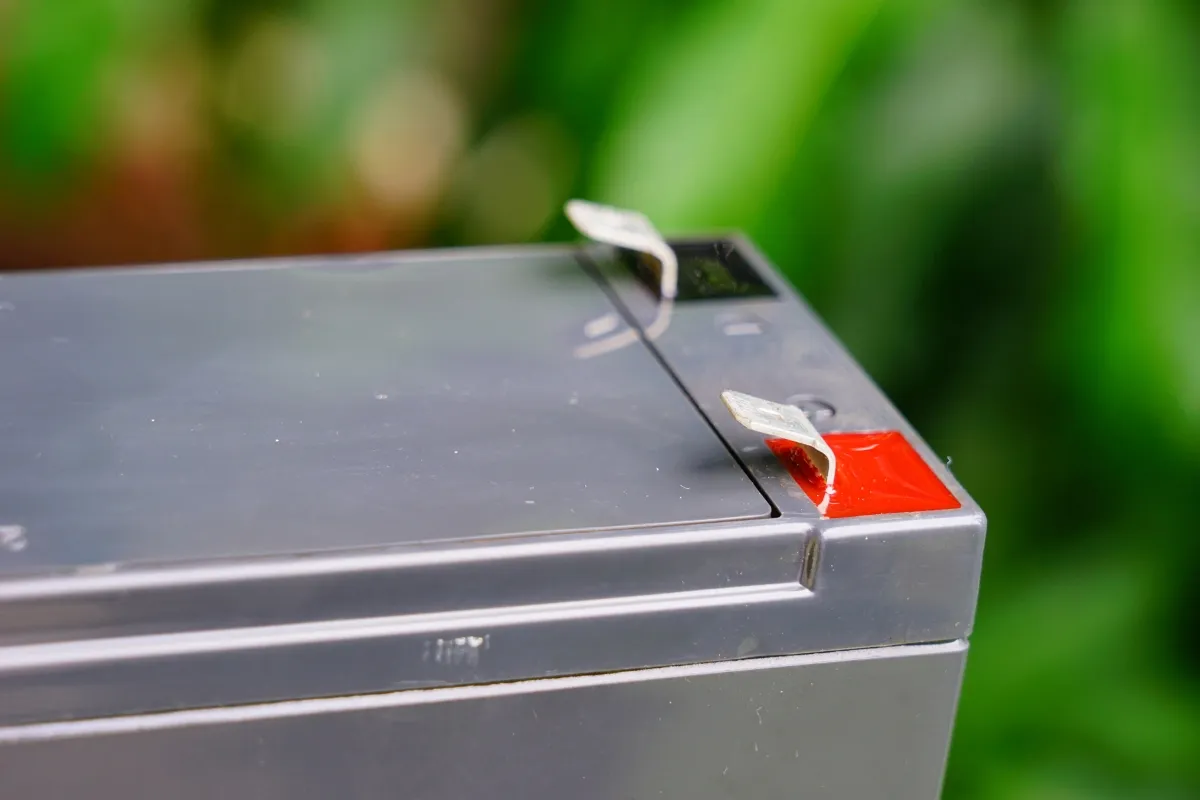
A lead acid solar battery uses one of the oldest rechargeable battery technologies around – and there's a good reason it's still going strong after more than 150 years. Think of your car battery, but designed for your home's energy needs.
The chemistry is straightforward: lead plates immersed in sulfuric acid. Most home batteries use six cells wired together for a familiar 12-volt setup. They're heavy and take up more space than lithium units, but their proven track record and reliability make them ideal for Birmingham homeowners weighing up costs.
For solar battery storage, lead acid batteries represent the practical choice – reliable, affordable, and tested in real-world conditions for decades.
How Do They Work
During sunny days, excess solar energy flows into your battery, converting lead sulfate back into pure lead and lead dioxide. When evening arrives, this process reverses – the plates react with sulfuric acid to release stored energy for your home.
Flooded lead acid batteries are particularly forgiving with different charging patterns, making them ideal for solar energy's variable nature. They slowly charge during long summer days, then steadily release energy during evening peaks when you're cooking dinner and watching TV.
You'll lose about 15-30% of energy in each charge-discharge cycle, but for many Birmingham families, this trade-off between efficiency and cost makes perfect sense.
Types of Lead Acid Batteries
Choose the right type for your Birmingham home based on your maintenance preferences and budget:
Deep-cycle vs Starting Batteries Car batteries deliver short, powerful bursts for starting engines. Deep-cycle batteries use thicker plates designed for repeated discharge to 20-50% capacity – exactly what solar storage needs.
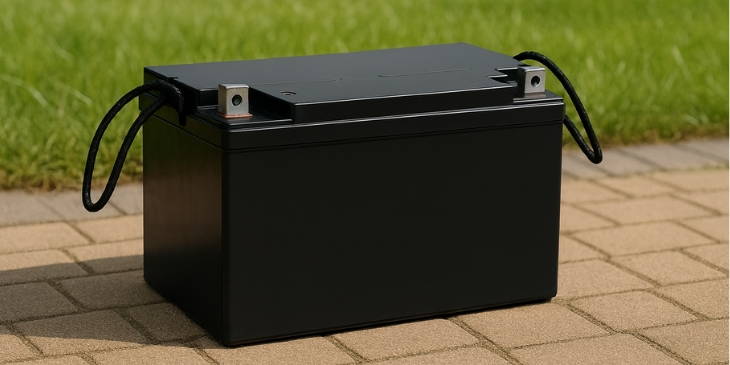
Flooded Lead Acid Batteries
Best for: Budget-conscious homeowners who don't mind maintenance
AGM (Absorbent Glass Mat) Batteries
Benefits: Very low internal resistance, fast charging, sealed design
Best for: High-power applications, backup systems
Gel Batteries
Best for: Set-and-forget installations
Uses of Lead Acid Batteries
Residential Applications Most Birmingham homeowners use hybrid (grid-tied) storage. Solar panels charge your battery during the day; stored energy powers your home during expensive evening hours instead of drawing from the grid.
Lead acid batteries excel during power cuts. A properly configured battery system can keep your home powered when standard grid-tied systems shut down for safety.
For areas like Sutton Coldfield and Edgbaston with higher energy demands, lead acid batteries offer affordable energy independence. Properties in Selly Oak and Hall Green are particularly well-suited for hybrid solar-plus-storage systems.
Commercial Applications Birmingham businesses charge batteries with cheap solar energy during the day, then use stored power during expensive peak periods. This peak shaving can save thousands on electricity bills.
Properties in Ladywood and Perry Barr with flat roofs are ideal for solar-plus-storage systems. Homes in Yardley also benefit from commercial-grade lead acid backup systems for business continuity.
Industrial Applications Large-scale users leverage lead acid's low upfront costs for massive storage needs. Manufacturing cycles are essentially the heartbeat of how often a solar battery is used, and lead acid batteries handle daily cycling reliably.
Pros and Cons of Lead Acid Batteries
Cost-Effectiveness: £1,800-£2,500 for 4kWh vs £3,500-£5,000 for lithium. With 0% VAT until 2027, typical homeowners save £700-£1,500.
Proven Reliability: Decades of real-world testing in submarines, telephone exchanges, and backup systems. Technology is well understood by installers.
Recyclability: Over 95% recycled at end of life – lead, plastic, and acid are all recovered and reused.
Temperature Tolerance: Handle Birmingham's weather variations well, working reliably from -10°C to 50°C.
Simple Technology: No complex management systems – just proven electrochemical processes.
Limitations:
Shorter Lifespan: 3-7 years vs 10-15 years for lithium. Factor in replacement costs for long-term economics.
Limited Depth of Discharge: Use only 50% of rated capacity to maximise lifespan. Your 10kWh battery effectively provides 5kWh usable storage.
Maintenance Requirements: Flooded batteries need monthly water checks and periodic equalisation charging. Even sealed types need annual professional checks.
Space and Weight: Heavy and bulky – typical home systems weigh several hundred kilograms and need dedicated battery rooms or reinforced garage space.
Lower Efficiency: 70-85% round-trip efficiency means losing 15-30% of stored energy each cycle.
Safety Considerations: Contain corrosive acid and produce explosive hydrogen gas if overcharged. Professional installation essential.
Lead Acid Solar Battery Costs
Purchase Prices
4kWh system: £1,800-£2,500 (£450-£625 per kWh)
10kWh system: £2,650-£4,150
Flooded batteries: Lowest cost
AGM batteries: 50% more than flooded
Gel batteries: Double flooded price, but still cheaper than lithium
Installation Costs
New solar + 5kWh battery: Add £2,000-£3,000 to project
Retrofit 5kWh battery: £4,000-£6,000 including upgrades
Professional installation essential for safety and compliance
Maintenance Expenses
Flooded batteries: £20-£50 DIY or £80-£120 professional annually
AGM/gel batteries: £30-£60 professional checks annually
5-year total: £150-£600 depending on type
Government and Local Incentives
0% VAT (until March 2027): 20% discount on complete installation – batteries, inverters, labour, equipment.
ECO4 Grants: Cover significant costs for households on benefits with EPC ratings E-G. Delivered through energy suppliers and approved installers.
Smart Export Guarantee: 3-5p per kWh for excess exports, though self-consumption usually more valuable.
Lead Acid Battery Brands in Birmingham
When choosing a lead acid solar battery for your Birmingham home, these established manufacturers offer proven reliability through local installers:
Rolls Battery (Canada): Heavy-duty deep-cycle AGM and OPzV gel batteries. Widely distributed across Birmingham with excellent temperature tolerance for our climate.
Hoppecke (Germany): Industrial-grade 2V gel and OPzV cells. Popular with Birmingham businesses for long-term performance and reliability in demanding applications.
Sonnenschein (Germany): Pioneers of solar gel technology with OPzV tubular plate design. Exceptional cycle life makes them ideal for maintenance-free Birmingham installations.
Victron Energy (Netherlands): Strong UK presence offering AGM, gel, and lead-carbon batteries. Complete system integration with their inverters and charge controllers, plus excellent local support.
Leoch Battery (UK Division): One of the world's largest deep-cycle producer with dedicated UK operations. Competitive pricing on solar-specific AGM and gel batteries for cost-conscious Birmingham homeowners.
Most Birmingham installers work with multiple brands and can recommend the best match for your system requirements, budget, and warranty preferences.
Final Thoughts: Is a Lead Acid Solar Battery Right for You?
Lead acid batteries aren't perfect, but they offer Birmingham homeowners a practical entry point into energy storage. If you're budget-conscious, don't mind basic maintenance, and want proven technology, they're worth serious consideration.
The maths work particularly well right now with 0% VAT until 2027 and Solar Together group buying schemes. For a typical Birmingham home, you're looking at £3,500-£5,200 for a complete 4kWh system that could last 5-7 years with proper care.
Consider lead acid if you want to test energy storage without massive upfront investment, have space for a heavier system, and value proven reliability over cutting-edge technology. They're especially suitable for backup power during outages and peak shaving during expensive evening hours.
Skip them if you prioritise long-term value over upfront savings, want maximum usable capacity, or prefer maintenance-free solutions. In those cases, lithium might be worth the extra investment.
Ready to explore your options? Contact Solar Panels Birmingham to discover how we can help you harness reliable, affordable battery storage that keeps your home powered and your energy bills low.

Lead Acid Battery FAQs
How long do lead acid solar batteries last?
Most residential lead acid solar batteries last 3-7 years with regular use. The exact lifespan depends on several factors: how deeply you discharge them, how often you cycle them, and how well you maintain them. Flooded batteries with proper maintenance can reach the upper end of this range, whilst sealed batteries might need replacement sooner if heavily cycled. Deep-cycle batteries designed for solar use typically handle 1,800-3,000 cycles before capacity drops significantly.
Can I install lead acid batteries myself?
Whilst it's technically possible, professional installation is strongly recommended for safety reasons. Lead acid batteries contain corrosive acid, can produce explosive gases, and deliver dangerous currents if short-circuited. Professional installers ensure proper ventilation, safe mounting, correct wiring, and compliance with building regulations. In Birmingham, most insurance companies and warranty providers require professional installation for coverage.
Do lead acid batteries work in Birmingham's climate?
Yes, lead acid batteries handle Birmingham's weather well. They operate effectively in temperatures from -10°C to 50°C, easily covering our typical range. Cold weather slightly reduces capacity, whilst hot weather can shorten lifespan, but both effects are manageable with proper installation. Many Birmingham installations place batteries in garages or outbuildings where temperature swings are moderated.
What maintenance do lead acid batteries need?
Flooded lead acid batteries need the most attention: check water levels monthly, top up with distilled water as needed, and perform equalisation charging annually. This takes about 30 minutes every few months. AGM and gel batteries are maintenance-free but benefit from annual professional checks. All lead acid batteries need proper ventilation and should be kept clean and dry.
How much space do lead acid batteries need?
A typical 10kWh lead acid system occupies about 2-3 square metres of floor space and weighs 200-400kg depending on battery type. You'll need additional space for ventilation, maintenance access, and safety clearances. Most Birmingham homes install batteries in garages, utility rooms, or purpose-built battery rooms. Structural support is essential due to the weight.
Are lead acid batteries safe?
When properly installed and maintained, lead acid batteries are safe. However, they do contain corrosive acid and can produce hydrogen gas during charging, which is flammable. Professional installation ensures proper ventilation, appropriate safety equipment, and correct handling procedures. The technology's long track record demonstrates that safety risks are manageable with appropriate precautions.
What size battery do I need for my Birmingham home?
Most Birmingham homes benefit from 5-15kWh of storage, depending on energy usage patterns and solar panel size. A typical 3-bedroom semi might need 8-10kWh to store excess solar and provide evening power. Consider your daily energy use, solar panel output, and whether you want backup power during outages. Local installers can perform load calculations to determine optimal sizing for your specific situation.